 InnerWhispers
Low Mood
Feeling down, flat or hopeless for days at a time, or losing interest in things.
Women's health · PCOS and mental health
PCOS affects more than your periods. Living with it can bring anxiety, low mood and worries about your body and your future. You don't have to carry that alone. Talk to qualified professionals, online or in person.
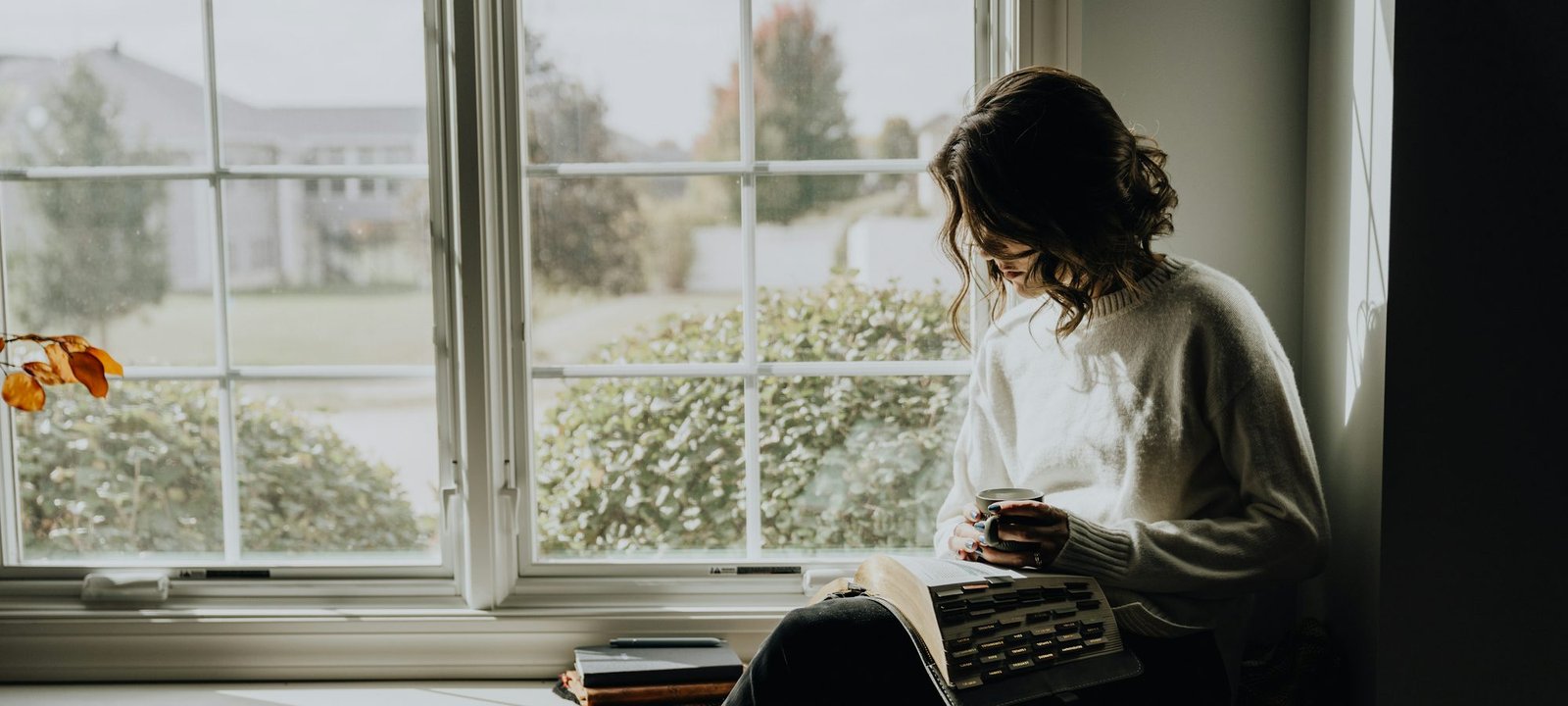
Your feelings about PCOS deserve care too.
Understanding PCOS and mood
Polycystic ovary syndrome (PCOS) is a common hormonal condition that can cause irregular periods, acne, extra hair growth, hair thinning, weight changes and difficulty getting pregnant.
Women with PCOS are more likely to experience anxiety and depression. Hormones may play a part, but so does the daily stress of managing symptoms, comments from others and uncertainty about the future.
PCOS affects many women in India, and so do its emotional effects.
PCOS is a health condition, not the result of something you did.
Caring for your mind can make managing PCOS easier too.
Signs and symptoms
You don't need a diagnosis to ask for help. If any of these feel familiar, we're here.
Feeling down, flat or hopeless for days at a time, or losing interest in things.
Constant worry about your health, your weight, your future or what others think.
Feeling self-conscious about weight, acne, facial hair or hair loss.
Fear about whether or when you can have children, and pressure from others.
Fatigue, poor sleep and low energy that make everyday life harder.
Strict dieting, guilt after eating, or eating to cope with stress.
These signs aren't a diagnosis. If you're thinking of harming yourself, call your local emergency number or Tele-MANAS (free, 24/7) at 14416 right away.
Why it happens
It's usually a mix of the body and the pressures around it. Understanding both helps.
Higher androgen levels and insulin resistance may affect mood, energy and sleep.
Acne, hair growth or weight changes that others notice and comment on.
Not knowing how PCOS will affect your fertility, health or relationships.
Being told to "just lose weight", or pressure from family about marriage.
The body-image cycle
Many women with PCOS get caught in a loop of criticism and strict rules. Seeing it clearly is the first step to stepping out of it.
A comment, a photo, a weigh-in or a bad skin day.
"I look awful." "I have no control." "Everyone is judging me."
Crash dieting, over-exercising, or avoiding mirrors, photos and people.
The rules are hard to keep, and stress affects sleep, eating and mood.
You blame yourself, and the cycle starts again.
Food and body image
Because weight is often part of PCOS advice, food can start to feel like a test you keep failing. Some women develop disordered eating, such as cycles of strict dieting and bingeing.
Support can help you build a kinder, steadier relationship with food and your body, while still looking after your health.
Get support if you notice
Important
We support the emotional side of PCOS. Please keep seeing your gynaecologist or endocrinologist for the medical side. If you're thinking of harming yourself, call your local emergency number or Tele-MANAS at 14416 right away.
How we help
Your professional will explain the options. Medication is only suggested if it's clinically appropriate, and always discussed with you first.
A private space to talk about the stress of PCOS, from body image to family pressure.
Learn more →Approaches such as CBT help with anxiety, low mood, self-criticism and eating concerns.
Learn more →A psychiatric assessment for anxiety or depression, working alongside your PCOS doctor if needed.
Learn more →Mindfulness and grounding tools to ease stress and reconnect with your body kindly.
Learn more →Day to day
Gentle habits can support you alongside professional care. They're not a substitute for it.
Explore Tann aur MannChoose activity you enjoy, like walking, yoga or dance, rather than exercise as punishment.
Regular, balanced meals can steady energy and mood better than strict diets.
Regular sleep and wake times help with mood, energy and appetite.
Mute accounts and conversations that leave you feeling worse about your body.
Sharing what you're going through with a friend or professional lightens the load.
Choose a psychiatrist or psychologist, online or in person. It only takes a few steps.
Talk openly in a private session, with no pressure to have the right words.
Talk about your PCOS, your mood and the pressures around you.
Therapy, counselling, self-care or medical care, coordinated with your other doctors if you wish.
Free self-check
Take the PHQ-9 (Patient Health Questionnaire), a short, well-researched check for low mood and depression. You get your score, what it means and a report you can share with a professional.
9 questions · about 3 minutes · private, scored on your device
A self-check is a screen, not a diagnosis.
Related
FAQ
Women with PCOS are more likely to experience depression and anxiety. Hormones may play a part, along with the stress of living with symptoms. If your mood is affecting daily life, it's worth getting support.
No. We support your mental and emotional health. Please keep seeing your gynaecologist or endocrinologist for the medical treatment of PCOS. With your consent, we're happy to work alongside them.
Some people notice mood changes on hormonal medicines, while others feel better. If you notice a change, talk to the doctor who prescribed it. Please don't stop any medicine suddenly without advice.
Tell your psychiatrist about all the medicines you take, such as metformin or the pill. They'll choose options that are safe together and discuss any effects on weight or hormones with you first.
Yes. Body-image distress is very common with PCOS. Therapy can help you quieten self-criticism and feel more at ease in your body.
No. In an emergency, call 112. In a mental health crisis, call Tele-MANAS at 14416 (free, 24/7).
Get in touch
Book a consultation and we'll help you choose the right support.
InnerWhispers isn't an emergency service. In a crisis, call your local emergency number or Tele-MANAS at 14416.