 InnerWhispers
The Same Arguments
Going round in circles about the same issues, without anything changing.
Women's health · Relationship stress
Conflict with a partner, pressure from family, or carrying everything on your own can affect every part of life. You deserve to be heard. Talk to qualified professionals, online or in person.
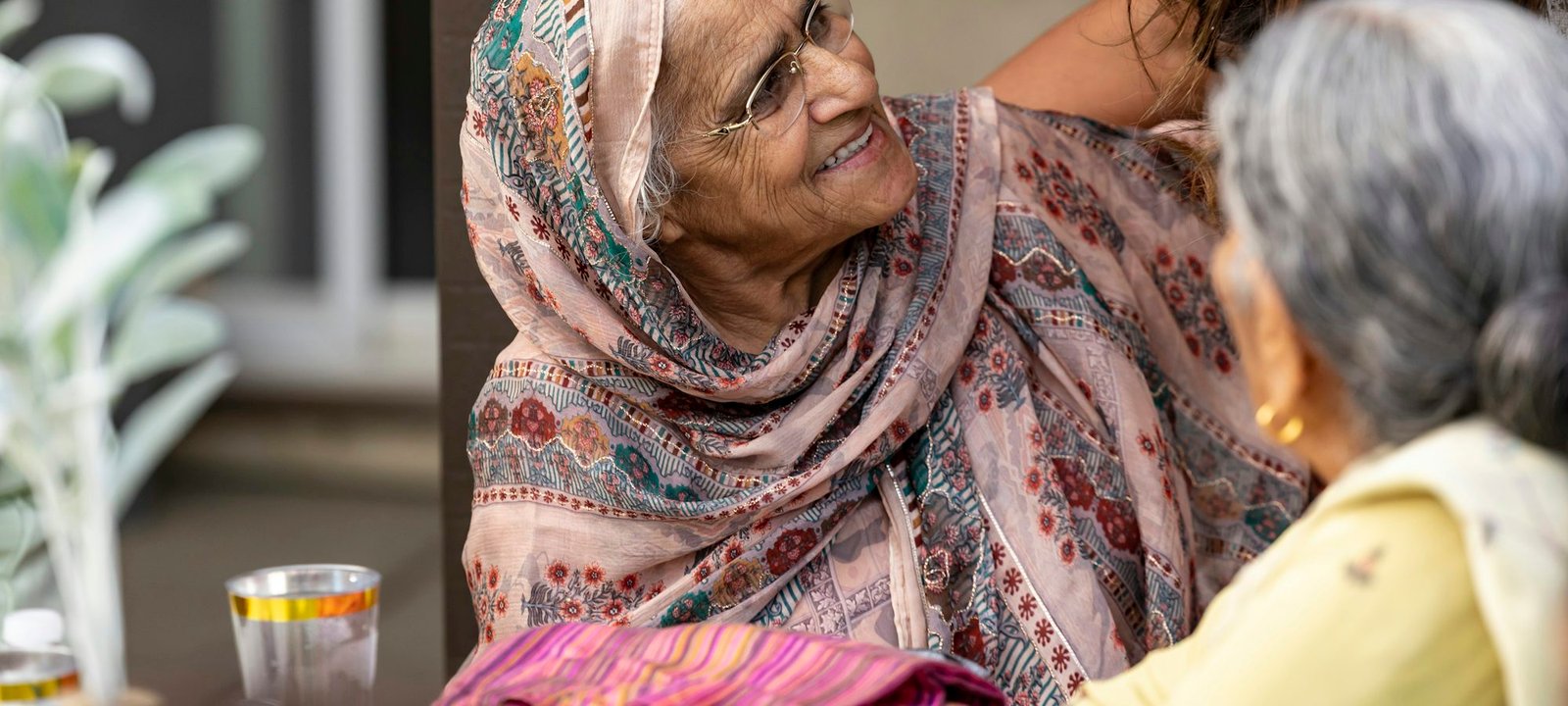
Your needs matter in your relationships too.
Understanding relationship stress
Many women hold relationships together: managing the home, family expectations, work and everyone's feelings. When that load is uneven, or conflict keeps coming back, it can leave you exhausted and alone.
Talking to someone outside the situation can help you understand what's happening, find your voice and decide what you want.
Most women go through relationship stress at some point.
You can talk openly without anyone taking sides.
Support helps even if your partner or family isn't involved.

Signs and symptoms
You don't need a diagnosis to ask for help. If any of these feel familiar, we're here.
Going round in circles about the same issues, without anything changing.
Remembering, planning and managing everything at home, with little help.
Holding back what you think or need, to keep the peace.
Feeling alone or disconnected, even with people around you.
Balancing your partner, in-laws and parents, and never pleasing everyone.
Poor sleep, headaches, low mood or trouble focusing at work.
These signs aren't a diagnosis. If you're thinking of harming yourself, call your local emergency number or Tele-MANAS (free, 24/7) at 14416 right away.
Where it comes from
Stress can come from a partner, family, friends or the lack of close relationships altogether.
Conflict, communication problems, intimacy, trust or growing apart.
Joint family tensions, criticism, expectations about children, cooking, career or dowry.
Questions, comparisons and pressure about marriage, age or the right match.
Grief, stigma and practical worries after a relationship ends, including about children.
The mental load cycle
When one person carries most of the load, resentment and exhaustion can quietly build.
You step in to keep things running at home, at work and in the family.
Rest, friends and your own needs get pushed aside.
You feel unappreciated, but saying so feels selfish or pointless.
It comes out as arguments, or you go quiet and withdraw.
You feel bad, try harder, and the cycle starts again.
Your safety
Sometimes a relationship is not just difficult but controlling or abusive. Abuse isn't only physical. It can be emotional, financial or sexual, and it can come from a partner or other family members.
You deserve to feel safe. Our professionals can listen without judgment, help you understand what's happening and help you plan next steps at your pace.
Warning signs include
Important
If you are in danger, call 112. The Women Helpline (181) offers free 24-hour support. If you're thinking of harming yourself, call Tele-MANAS at 14416. If someone checks your phone, consider clearing your browser history after visiting this page.
How we help
You can come on your own. Your professional will help you understand what's happening and what you want, at your pace.
A private space to talk about your relationship, family or separation and work out what you want next.
Learn more →Explore patterns that keep repeating, build confidence and learn to set boundaries.
Learn more →A psychiatric assessment if relationship stress has led to depression, anxiety or sleep problems.
Learn more →Talk to a trained peer supporter who listens without judgment, by phone or video.
Learn more →Day to day
Small changes can ease the strain. They support professional care, but aren't a substitute for it.
Explore Tann aur MannBe specific: "Can you handle dinner on weekdays?" works better than hoping someone notices.
"I feel overwhelmed when..." lands better than "You never..."
Raise difficult topics when you're both calm, not in the middle of an argument.
Even 20 minutes a day that belongs to you helps you recharge.
Friends and your own family are an important source of support.
Choose a psychiatrist or psychologist, online or in person. It only takes a few steps.
Talk openly in a private session, with no pressure to have the right words.
Talk through the relationship, the pressures on you and what you want.
Work on communication, boundaries, safety or moving on, at your pace.
Free self-check
Take the RAS (Relationship Assessment Scale) to see how satisfied you feel in your relationship right now. If you feel alone, try the loneliness scale instead. You get your score, what it means and a report you can share.
7 questions · about 1 minute · private, scored on your device
A self-check is a screen, not a diagnosis.
Related
FAQ
Yes. Many women start on their own. Understanding your own feelings and needs can change how a relationship works, even if your partner isn't involved.
No. Your professional won't judge you or make decisions for you. They'll help you understand the situation and decide what's right for you.
Yes. Tension with in-laws and joint family pressures are very common. Support can help you set boundaries, communicate calmly and look after yourself.
You can talk to us in confidence. We'll listen without judgment and help you think about your safety and options. In an emergency, call 112, or call the Women Helpline at 181.
Yes. Sessions are confidential. We don't share anything with your partner or family without your consent, except in the rare situations described in our Privacy Policy, such as a serious risk to someone's safety.
No. In an emergency, call 112. In a mental health crisis, call Tele-MANAS at 14416 (free, 24/7).
Get in touch
Book a consultation and we'll help you choose the right support.
InnerWhispers isn't an emergency service. In a crisis, call your local emergency number or Tele-MANAS at 14416.