 InnerWhispers
Low Most of the Time
Feeling sad, empty, tearful or numb for more than two weeks.
Women's health · Pregnancy and postpartum
Pregnancy and a new baby can bring joy, and also worry, exhaustion and feelings you didn't expect. Many mothers struggle, and support works. Talk to qualified professionals, online or in person.

Caring for yourself is part of caring for your baby.
Understanding perinatal mental health
Mental health changes during pregnancy and in the year after birth are very common. Hormonal shifts, lack of sleep, a changing identity and pressure to be a "perfect mother" can all play a part.
Many mothers feel they should only be happy, so they hide how they really feel. Getting help early protects both you and your baby, and doesn't mean you're a bad parent.
Many women experience anxiety or depression in pregnancy or after birth.
Struggling says nothing about your love for your baby.
With support, most mothers recover well.
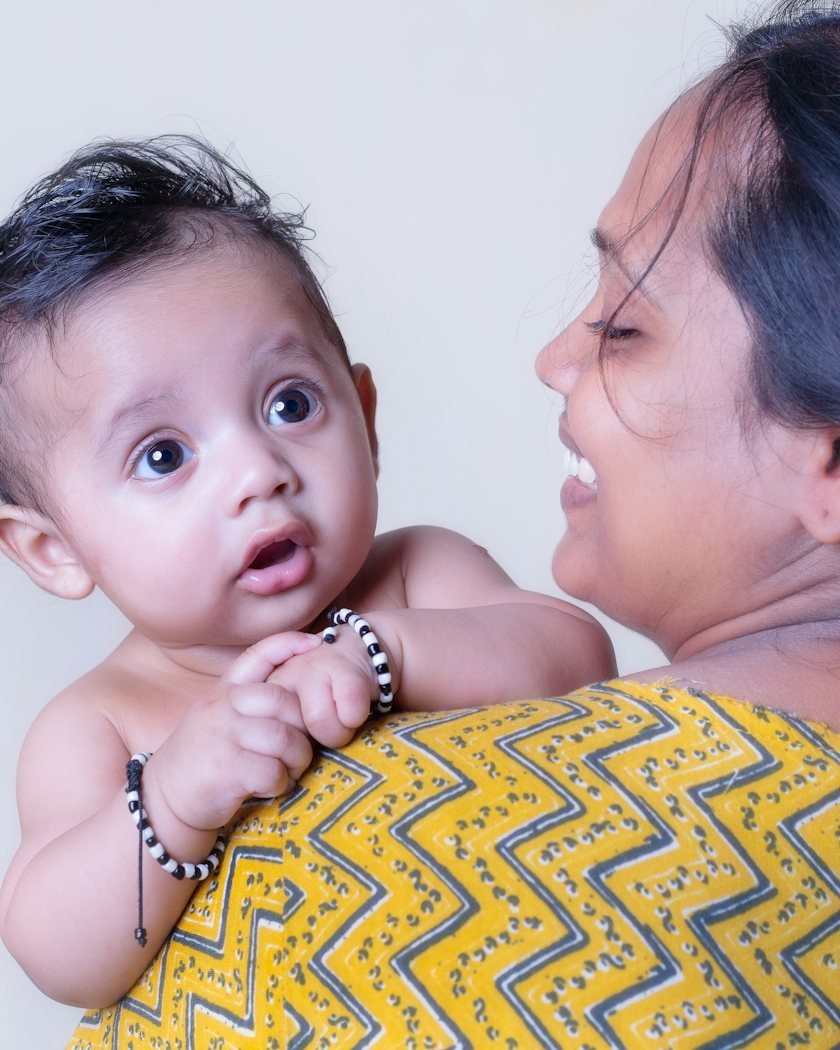
Signs and symptoms
You don't need a diagnosis to ask for help. If any of these feel familiar, we're here.
Feeling sad, empty, tearful or numb for more than two weeks.
Worrying about the baby's health, your pregnancy or doing something wrong.
Feeling distant from your baby, or not feeling how you expected to.
Sudden frightening thoughts about something bad happening to your baby.
Unable to sleep even when the baby is sleeping, or sleeping all the time.
Feeling unable to cope, guilty or like a failure, or wanting to escape.
These signs aren't a diagnosis. If you're thinking of harming yourself, call your local emergency number or Tele-MANAS (free, 24/7) at 14416 right away.
Different experiences
Every experience is different. You don't need to know which applies to you before you reach out.
Worry, low mood or fear of birth during pregnancy, especially after a past loss.
Tearfulness and mood swings in the first days after birth that usually pass within two weeks.
Low mood, anxiety and exhaustion that last longer than two weeks, at any time in the first year.
A difficult or frightening birth, miscarriage, stillbirth or infertility.
A timeline
Knowing what's expected helps you spot when to ask for help.
Many mothers feel tearful, anxious and up and down. These are the baby blues.
Baby blues usually ease on their own with rest and support.
If low mood or anxiety continues or gets worse, it may be postpartum depression or anxiety.
Postpartum depression can start weeks or months after birth, not only straight away.
Talking to a professional early leads to faster recovery for you and your family.
Urgent signs
Postpartum psychosis is rare but serious. It usually starts suddenly in the first weeks after birth. It is a medical emergency, and it is treatable.
Unwanted frightening thoughts about harming your baby are common and don't mean you'll act on them. But if you feel you might act on a thought, or you're thinking of harming yourself, get help now.
Get help immediately if there is
Important
These are medical emergencies: call 112 or go to the nearest hospital now. You can also call Tele-MANAS at 14416 (free, 24/7). If you are worried about someone else, stay with them and get help.
How we help
Your professional will explain the options. Any medicine in pregnancy or breastfeeding is chosen carefully and always discussed with you first.
A psychiatric assessment, with treatment choices that are safe in pregnancy or breastfeeding, coordinated with your obstetrician.
Learn more →Approaches such as CBT and interpersonal therapy help with low mood, anxiety and adjusting to motherhood.
Learn more →Talk through birth experiences, loss, family pressure or returning to work. Partners can be involved if you wish.
Learn more →Talk to a trained peer supporter who listens without judgment, by phone or video.
Learn more →Day to day
Small things can help alongside professional care. They're not a substitute for it.
Explore Tann aur MannLet family and friends take on cooking, cleaning or a night feed so you can rest.
Short naps and shared night duties make a real difference to mood.
Simple, regular meals and enough water help your energy.
A short walk or time in daylight can lift your mood.
Tell your partner, a friend, your doctor or a professional. You don't have to pretend.
Choose a psychiatrist or psychologist, online or in person. It only takes a few steps.
Talk openly in a private session, with no pressure to have the right words.
Share how pregnancy or motherhood really feels, without judgment.
Build a plan with therapy, support at home and medical care if needed.
Online assessment
Take the EPDS (Edinburgh Postnatal Depression Scale), a well-researched questionnaire designed for pregnancy and the first year after birth. You get your score, what it means and a report you can share with your doctor.
₹29 · one attempt · 10 questions · result and report straight away
A self-check is a screen, not a diagnosis.
Related
FAQ
Yes. Many mothers feel tearful and up and down in the first days after birth. Baby blues usually pass within two weeks. If your feelings last longer or get worse, please reach out.
Some medicines are considered safe, and untreated depression also carries risks. Your psychiatrist will weigh this with you and your obstetrician. Please don't stop any current medicine suddenly without advice.
Unwanted frightening thoughts are very common in new parents and usually mean you're worried about keeping your baby safe. Talking to a professional helps. If you feel you might act on a thought, get help immediately.
Yes. Partners can also experience depression and anxiety after a baby arrives. They can book support too.
Yes. Many mothers find online sessions easier. It's fine if your baby is with you or if you need to pause to feed or settle them.
No. In an emergency, call 112. In a mental health crisis, call Tele-MANAS at 14416 (free, 24/7).
Get in touch
Book a consultation and we'll help you choose the right support.
InnerWhispers isn't an emergency service. In a crisis, call your local emergency number or Tele-MANAS at 14416.