 InnerWhispers
Is Dating Like a K-Drama or C-Drama? Fantasy vs Reality
Dramas can make real love feel plain. A warm, honest look at K-drama and C-drama romance vs real dating, which tropes are red flags, what the shows get right, and how to enjoy them.
Key takeaways
- Enjoying these shows is fine. Trouble starts when real people are measured against scripted ones.
- Some things dramas make look romantic, like grabbing, chasing and refusing to take no for an answer, are warning signs in real life.
- Real love is less dramatic and more about repair, effort and everyday kindness. That isn't settling.
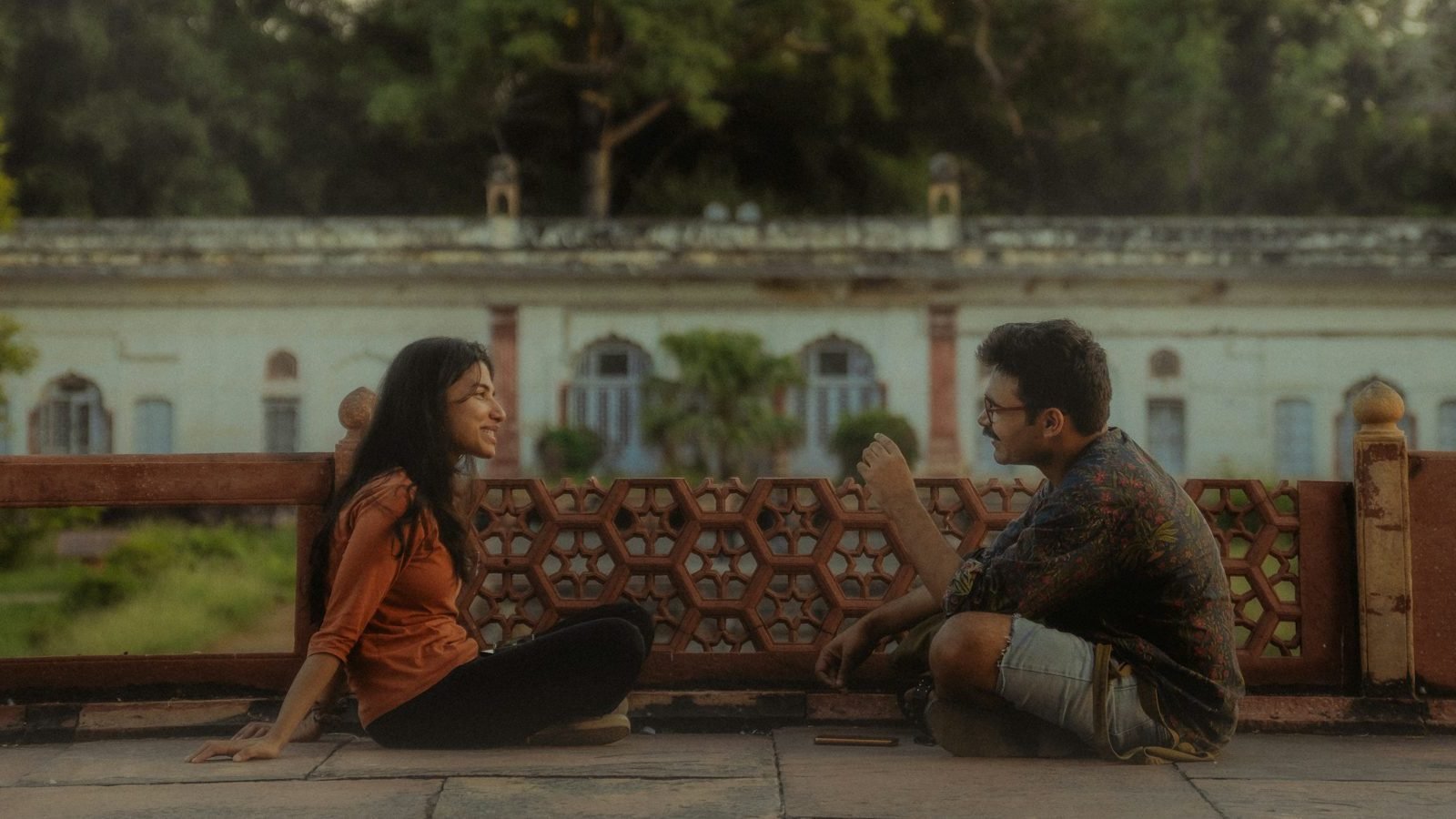
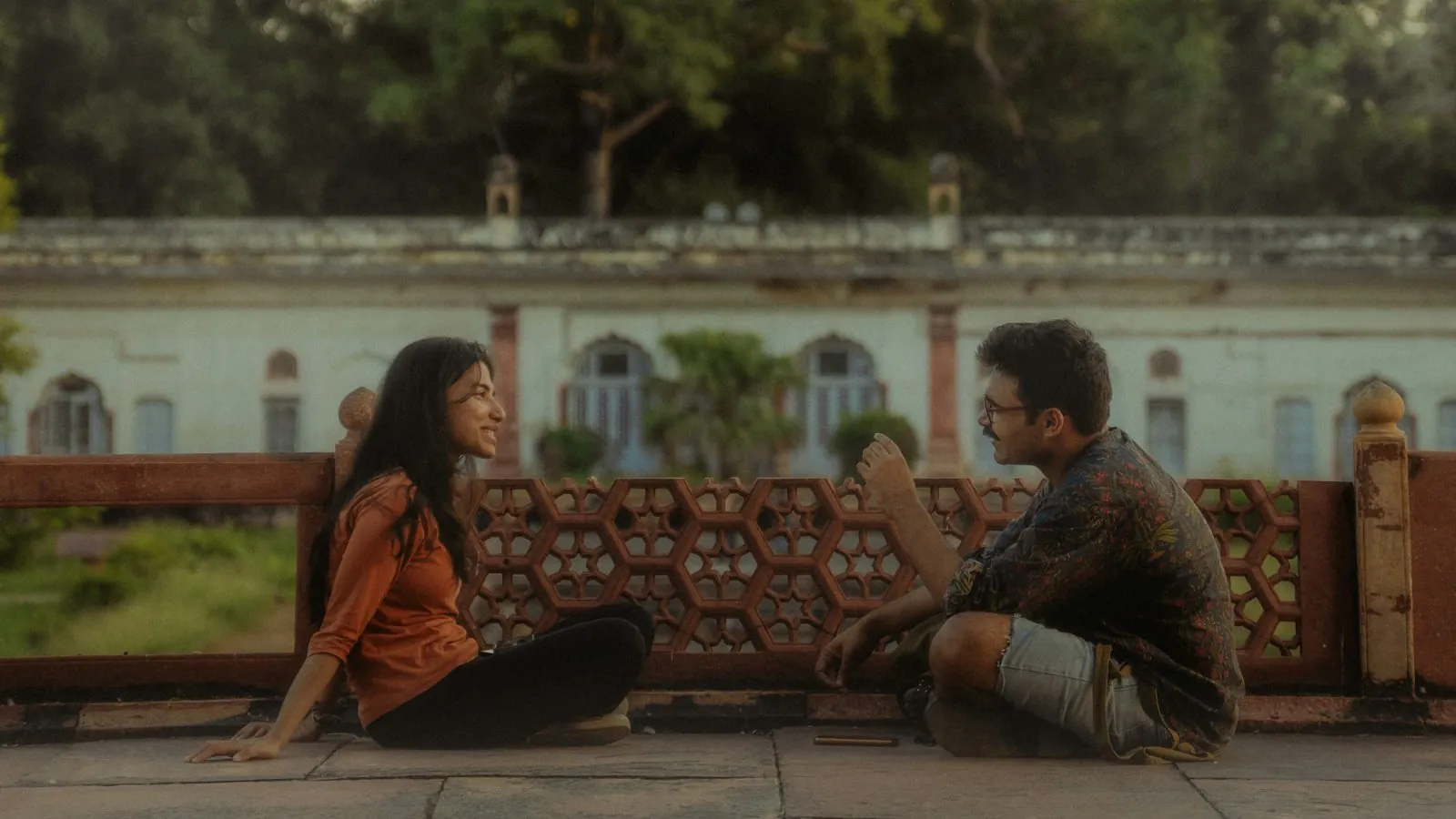
It's 1 a.m. and you've told yourself "one more episode" three times. On screen, two people have just locked eyes in the rain. He holds an umbrella over her and gets soaked himself. Neither says what they feel, and somehow you can't breathe.
Then you pick up your phone. The person you're dating has replied "haha ok" to the long message you sent four hours ago.
If you've ever felt a small, quiet disappointment in that moment, you're not silly and you're not alone. K-dramas and C-dramas are beautifully made to make you feel things. They can also leave real love looking a little plain by comparison.
So is dating anything like a K-drama or C-drama? Sometimes, in small ways. Mostly, no. And the real thing has some good news of its own.
Why these shows feel so real
There's a reason you don't get this feeling from every show. These dramas are often built around slow, patient attraction. A look lasts ten seconds. Someone remembers your favourite food. A hand almost touches yours in episode six, and you've waited for it for hours.
They also show something many of us are hungry for: a person who pays complete attention. He notices when you're tired. She knows something's wrong before you speak. For anyone who has felt unseen, that's powerful, and wanting it says something good about you.
In India, there's another layer. Dating can still mean secrecy, curfews, parents who can't know, and questions about caste, religion and "what people will say". A world where love is the biggest problem can feel like a holiday.
What the research says
It's still an early field, but a few findings stand out.
- Dramas can shape what we expect. A 2024 Indian study of viewers aged 18 to 30 reported that K-dramas can lead to idealised expectations of relationships, built on emotional intensity, passion and unrealistic standards. It can't prove the shows cause this, because people who already love romance may also watch more of it.
- Having high hopes isn't the problem. One study of young adults in relationships found that romantic expectations themselves weren't the issue. Unmet ones were, and expectations about destiny, like "we will live happily ever after", were the hardest for real relationships to match.
- Some romance masks harm. A study of the K-drama The Heirs described how its romantic imagery hides abusive behaviour, with a male lead who forces a relationship and won't accept rejection. This looks at one show's story, not at how viewers respond, so it shouldn't be applied to every drama. Many newer shows have much kinder leads.
- Even good couples keep having the same fights. The Gottman Institute reports that 69% of relationship problems are perpetual, and that successful couples repair early and often.
K-drama and C-drama dating vs reality
| In the drama | In real life |
|---|---|
| You meet by fate, and maybe you met as children too | You meet on an app, through friends, or at work, and it's still allowed to be meaningful |
| One look, and both of you know | Attraction often grows slowly, and it can grow after a boring first date |
| The cold, rich CEO softens only for you | Someone who is cold to everyone else will probably be cold to you eventually |
| Misunderstandings last eight episodes | One honest conversation can save you weeks. Say the thing |
| Grand gestures: a rooftop, a song, a plane ticket | Love often looks like "did you eat?" and showing up on a bad day |
| Waiting in the rain outside your house | Turning up uninvited after you've said no is scary, not sweet |
| A wrist grab to stop you leaving | Nobody should physically stop you from leaving |
| Parents offer money to leave, and love wins | Family pressure is slow and tiring, and takes many hard talks |
| The story ends at the kiss or the wedding | That's when the laundry, the money and the in-laws begin |
The tropes that are red flags in real life
These can be fun in fiction, because you know the writer won't let anyone get hurt. Real life has no writer.
The wrist grab and the wall corner. Physically blocking or pulling someone isn't passion. You should be able to walk away at any time.
"I won't give up on you." Pursuing someone who has said no isn't devotion. A no is a complete answer, and continuing after it can become harassment.
The domineering lead. Telling you what to wear, who to meet and when to reply is control, even if it's dressed up as protection.
Jealousy as proof of love. In the sweet "possessive" storyline, jealousy means they care. In real life, checking your phone or cutting you off from friends is a warning sign.
The cold one you have to fix. Someone can have a painful past and still be responsible for how they treat you. Your love isn't their treatment plan.
The forced kiss. Consent isn't a mood-killer. Asking "is this okay?" is one of the most attractive things a person can say.
What these dramas actually get right
Please don't throw out your watchlist. These shows understand some things that a lot of real-life dating has forgotten.
- Attention is romantic. Noticing someone's small habits really does make people feel loved.
- Slow can be good. You don't have to rush into anything to prove it's real.
- Words of care matter. "Have you eaten?" is a love language in more than one country.
- Respectful leads exist. The best modern male and female leads listen, apologise and support each other's work. That's a fair standard to want.
The goal isn't to lower your standards. It's to raise them in the right places. Kindness, respect and honesty belong on your list. Six-pack abs and a rooftop proposal are optional.
What real dating actually feels like
Nobody puts this in the trailer, so here it is:
- It can be awkward. Silences, bad jokes and a first date that just feels okay don't mean it's going badly.
- Texting is often boring. A dry "haha ok" may just mean someone is tired at work.
- Apps can wear you out. An Indian study of 121 adults found that dating app users reported more personal burnout than non-users. It can't say the apps caused it, but if you're exhausted, taking a break is perfectly reasonable.
- You'll have the same argument again. That doesn't mean you're incompatible. What matters is how you come back to each other afterwards.
- Love will share space with real life: rent, exams, a sick parent, a bad mood, a family that hasn't been told yet.
A good relationship often feels less like a heart-stopping scene and more like relief. Your shoulders drop. You don't have to perform. If you're used to chaos, calm can feel like boredom at first. Give it a chance.
Common misconceptions
"If it's real love, I'll just know."
Sometimes. But plenty of lasting relationships began with "they seemed nice". Instant certainty can also be anxiety or infatuation.
"The right person will understand me without my saying anything."
Nobody can read your mind. Telling someone what you need isn't unromantic. It's how they get to know you.
"Fighting means we're wrong for each other."
Disagreement is normal in close relationships. Contempt, fear and threats aren't. Those are very different things.
"If they loved me, they'd chase me."
Someone who respects your no and gives you space may be showing more love than someone who won't leave you alone.
"The spark should last forever."
Excitement usually settles over time. It can turn into something deeper, and couples can keep it alive with effort.
"Only immature people like these shows."
Not at all. Loving romance is normal, at any age, for any gender. You can be a thoughtful adult and still scream at a second male lead.
Is it starting to affect you?
Watching a lot of dramas isn't a problem on its own. It may be worth pausing if you notice that:
- Real dates feel pointless because nobody measures up
- You compare your partner to a character and feel let down
- You're staying up so late that your sleep, studies or work are suffering (here's how sleep affects your mental health)
- You're watching to avoid loneliness, sadness or a problem you don't want to face
- You excuse behaviour that scares you because it looks romantic on screen
- You feel worse about your looks or your life after watching
None of this makes you strange. Sometimes a show is a comfort blanket, and sometimes it's pointing at something that needs care.
How to enjoy the drama and keep your real life
- Name the fantasy. Say to yourself, "This is lovely, and it's written by a team of professionals."
- Look for what you actually want. Don't want a CEO, want someone who remembers things? Now you know what to look for.
- Say the thing. Skip the eight-episode misunderstanding. "I felt hurt when you didn't reply" takes ten seconds.
- Give real people a fair chance. Judge a person by how they treat you over time, not by one awkward coffee.
- Set a stopping time. The cliffhanger is designed to keep you watching, and it will still be there tomorrow.
- Spend time with real people. Friends, family and a walk outside all make falling for a fictional character a much smaller deal.
When to talk to someone
Talking to a professional can help if you keep choosing partners who hurt you, feel anxious or empty in relationships, or find yourself avoiding real connection altogether. Our guide to your first therapy session explains what to expect, and you can read more on self-esteem and identity. When you're ready, our therapists and counsellors are here, online or in person.
If someone is controlling, threatening or following you, that isn't romance, and you deserve help. In an emergency, call 112. The National Commission for Women helpline is 7827170170 (24/7). If you're thinking about ending your life, please call Tele-MANAS on 14416 (free, 24/7). InnerWhispers isn't an emergency service.
Frequently asked questions
Is dating really like a K-drama or C-drama?
Rarely. Real dating has some of the same sweetness, but it also has awkward chats, slow replies, family pressure and ordinary days. That doesn't make it less real. It usually makes it more so.
Can K-dramas give you unrealistic expectations of love?
They can. An Indian study reported that K-dramas can encourage idealised expectations of relationships, although it can't prove the shows are the cause. Enjoying them is fine, as long as you remember real people don't have writers.
What is second male lead syndrome?
It's a fan term for falling for the kind, patient character who doesn't get the girl. It's not a medical condition. It can even be useful, because it shows you may value kindness over drama.
Are K-drama tropes like the wrist grab toxic?
They can be in real life. Physically stopping someone, ignoring a no or being controlling isn't romantic off screen, however good it looks on screen.
Why does real dating feel boring after watching dramas?
Dramas give you intense moments with all the dull parts removed. Compared with that, normal life can feel flat for a while. It usually helps to take a break and notice the small ways people care.
Is it bad to watch a lot of K-dramas?
Not in itself. It's worth taking a look if it's affecting your sleep, your work or your relationships, or if you're using it to avoid something painful.
How do I know if a relationship is healthy?
In general, you feel safe, can say no, can disagree without fear, keep your friends and family, and both of you make repairs after conflict.
Relationships feeling hard?
Talk to someone in a private, judgment-free space about what you want and what you deserve.
See how we can help